

How to Prevent Mold With Proper Ventilation
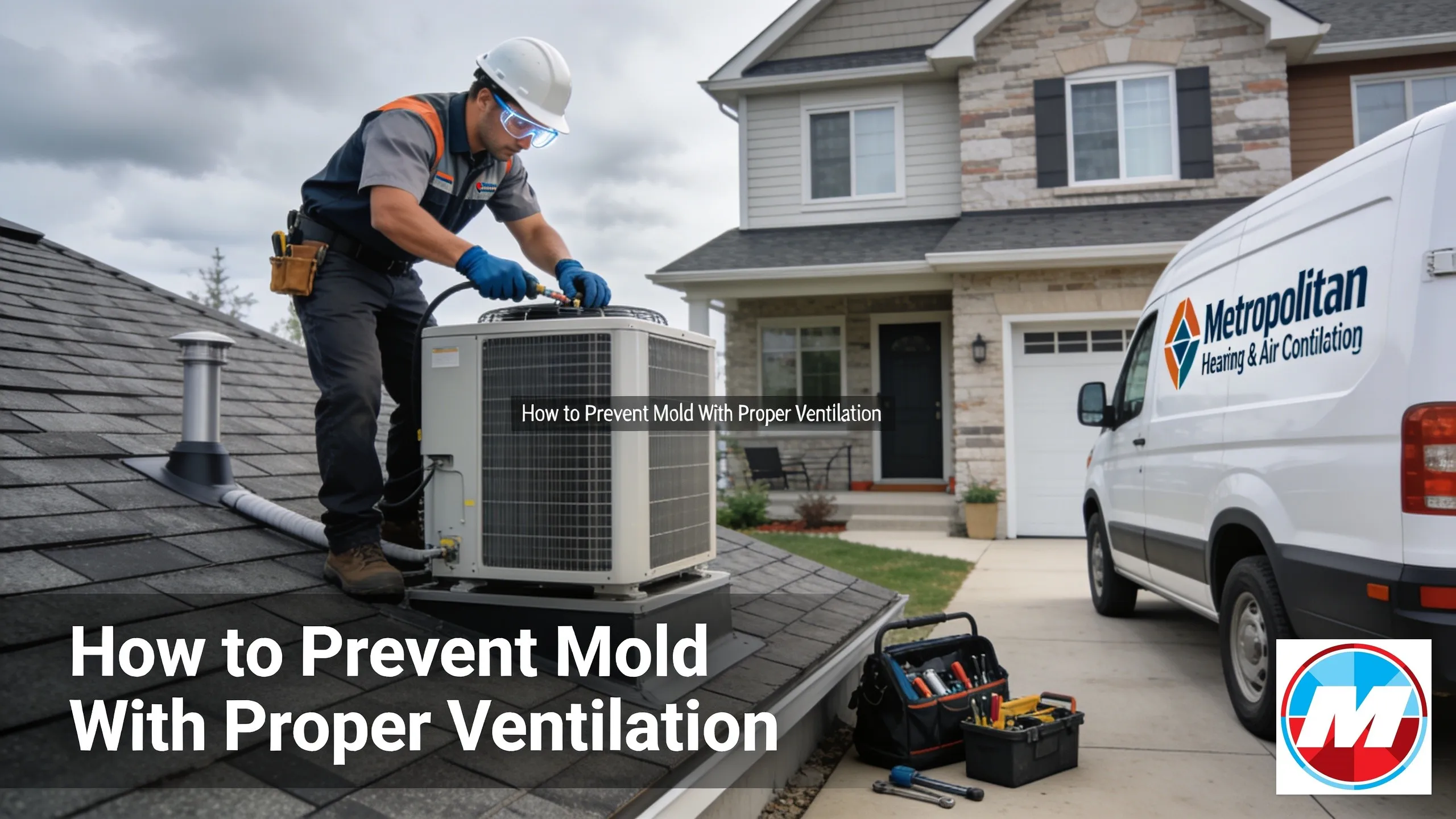
Proper HVAC maintenance, combined with adequate ventilation, prevents mold by controlling indoor humidity below the recommended threshold, ensuring air circulates consistently throughout your home. At Metropolitan Heating & Air Conditioning, trusted by hundreds of homeowners since 1979, we recommend scheduling regular filter changes, inspecting ductwork for moisture buildup, and running exhaust fans in bathrooms and kitchens to eliminate excess dampness. Proper HVAC maintenance and moisture control are the most effective defenses against indoor mold growth. The EPA recommends hiring professionals for mold removal when an infestation covers a substantial area, making proactive humidity regulation, regular filter changes, and adequate ventilation essential to stopping mold before it starts. Proper HVAC maintenance and moisture control form the foundation of mold prevention in any home. Mold spores exist in all indoor air; they grow only when they reach damp surfaces. Our certified team at Metropolitan Heating & Air Conditioning recommends controlling humidity, ensuring adequate airflow, and scheduling regular system inspections to eliminate the conditions mold requires.
Key Takeaways
- Mold thrives in damp, warm spaces, making proper HVAC maintenance your first line of defense. Without consistent system care, moisture accumulates silently until mold colonies are already established inside your ductwork.
- The EPA recommends hiring professionals when mold infestations cover a substantial area of your home. Metropolitan Heating & Air Conditioning is equipped to assess, contain, and resolve infestations that exceed safe DIY scope.
- Clogged HVAC filters trap moisture and debris, directly causing mold growth inside air ducts. Replacing filters on schedule is one of the simplest and most effective steps any homeowner can take.
- Metropolitan Heating & Air Conditioning, serving Scarborough, ON since 1979, inspects and services all HVAC makes and models. Our team brings decades of hands-on experience to every maintenance visit.
What Do You Need Before Starting?
Effective mold prevention begins with understanding two non-negotiable prerequisites: a clear picture of how mold behaves and a working knowledge of the conditions that allow mold to take hold. Skipping this foundational step leaves your HVAC system — and your home — exposed to damage that compounds silently over time. Mold spores are always present in indoor air, invisible to the naked eye and impossible to eliminate entirely. Spores become a visible, damaging problem only when they land on a damp surface and begin to grow. Without that moisture trigger, growth never starts — that single fact makes moisture control the most critical prerequisite before any protective action is taken. Ventilation — the movement of air through your home and HVAC system — is the second prerequisite to understand. Mold thrives in damp, warm, and poorly ventilated spaces. Poor airflow traps humidity, raises surface temperatures, and creates exactly the conditions mold needs, and structural damage and health concerns follow when those conditions go unaddressed. At Metropolitan Heating & Air Conditioning, our experience serving homeowners in Scarborough, ON confirms that those who understand these two drivers — moisture and airflow — resolve mold issues far more effectively than those who do not.
Why Does Moisture Trigger Mold Growth in HVAC Systems?
Mold spores remain dormant in circulating air until they contact a damp surface. HVAC components — coils, drain pans, and ductwork — collect condensation regularly, making them prime growth sites. Controlling that condensation is the first line of defense.
How Does Poor Ventilation Make Mold Worse?
Stagnant, poorly ventilated air holds humidity against surfaces longer. That extended contact time accelerates mold colonization and spreads spores deeper into the duct system before the problem becomes visible.
Why Does Mold Grow in HVAC Systems?
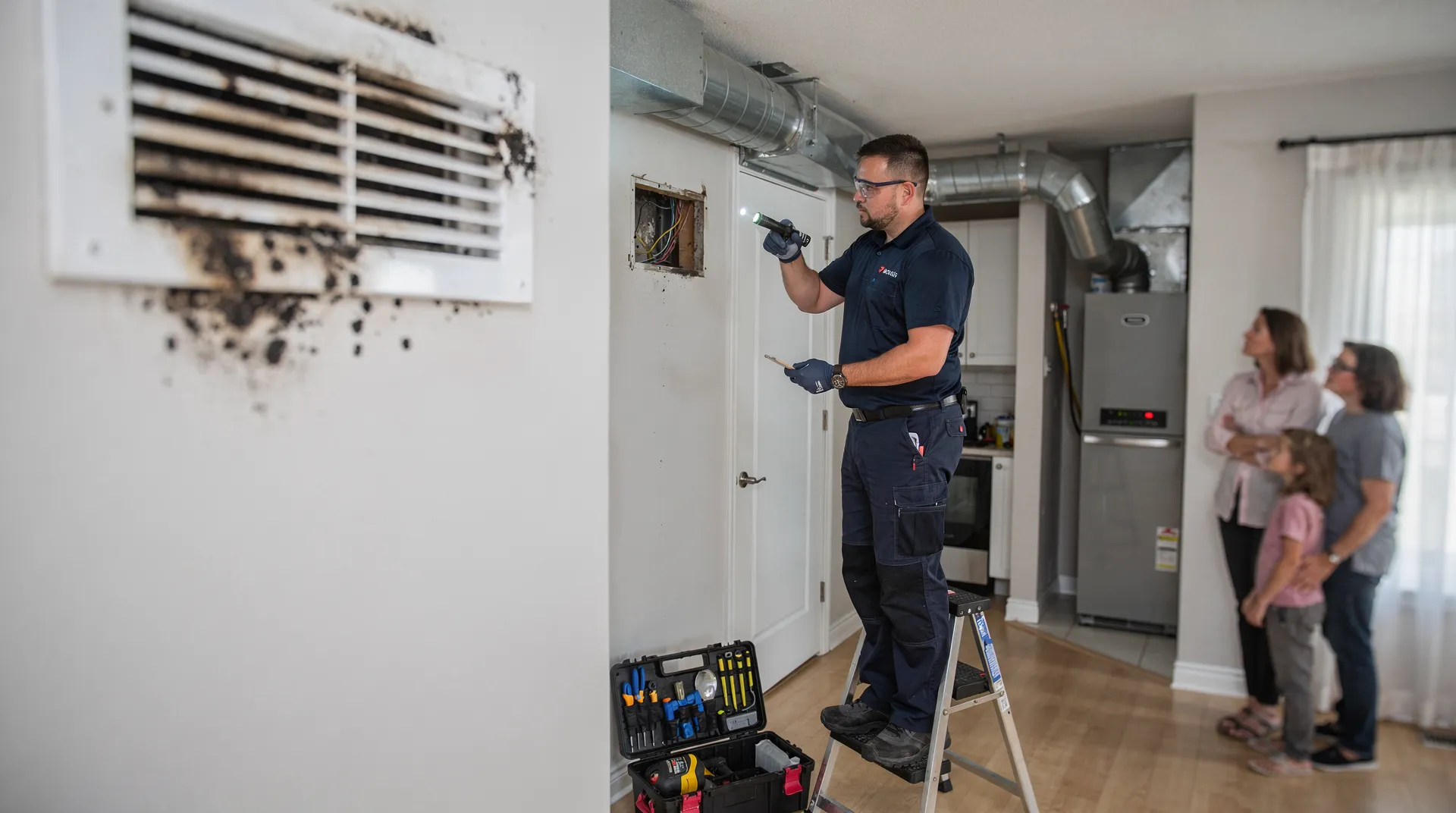
Mold prevention begins with understanding why HVAC systems are so vulnerable in the first place. Mold growth in air vents and ductwork is driven by three primary conditions: excess moisture, inadequate ventilation, and clogged filters that restrict airflow. HVAC systems do far more than regulate temperature. At Metropolitan Heating & Air Conditioning, we recognize that a system's efficiency is instrumental in managing indoor humidity levels and maintaining proper airflow — two factors that directly determine whether mold takes hold. When any part of that system underperforms, the conditions for mold growth become favorable fast. The three root causes break down as follows:
- Excess moisture: Condensation builds inside ducts when warm, humid air meets cooler surfaces, creating the damp environment mold requires to colonize. Addressing condensation at its source — through proper insulation and drainage — is the most direct way to remove this risk factor.
- Poor ventilation: Stagnant air allows humidity to accumulate in ductwork, giving mold spores the time they need to settle and grow. Restoring balanced airflow through supply and return registers corrects this condition before colonization takes hold.
- Clogged filters: A blocked filter restricts airflow, reduces the system's ability to manage humidity, and traps organic debris that feeds mold colonies. Replacing filters on a consistent schedule is one of the simplest and most impactful maintenance steps a homeowner can take.
How Quickly Does Mold Spread Through an HVAC System?
Mold contamination spreads throughout a property quickly once it establishes itself inside vents or ductwork. Because the HVAC system circulates air to every room, a localized colony becomes a property-wide problem, triggering allergies and respiratory issues for occupants.
Why Is Moisture Control So Critical for HVAC Health?
Moisture is the single most controllable factor in mold prevention. Without adequate humidity regulation, even a well-maintained duct system becomes a growth environment. Metropolitan Heating & Air Conditioning provides full-spectrum installation, repair, and maintenance services specifically designed to support indoor air quality and keep moisture levels in check year-round.
How Do You Control Indoor Moisture Effectively?
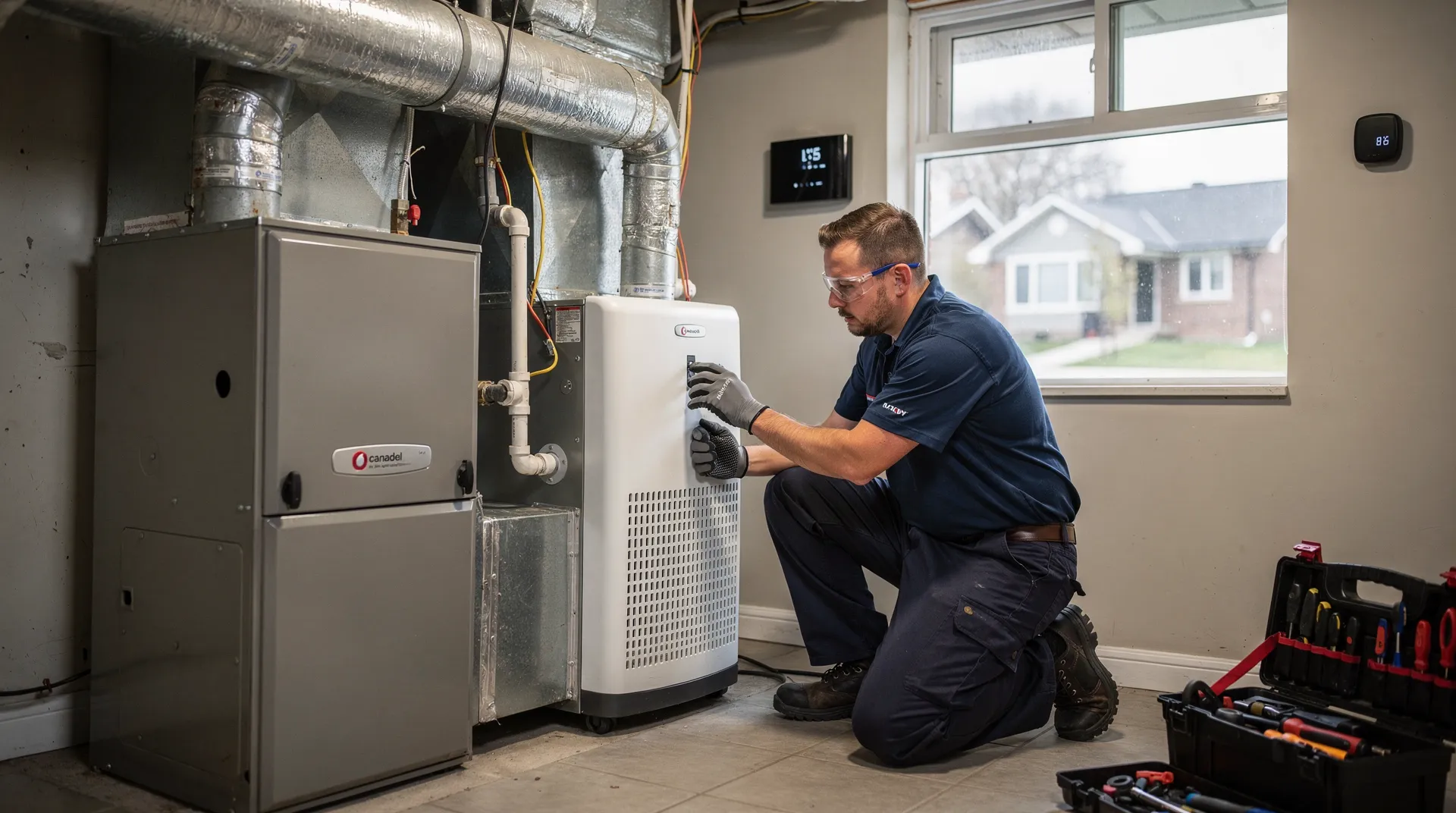
Moisture control is the foundation of mold prevention in any home. Without active management of humidity and condensation, HVAC systems become prime environments for mold spores to take hold and spread throughout living spaces — putting both the structure and the health of occupants at risk. Metropolitan Heating & Air Conditioning serves homeowners in Scarborough, ON, where seasonal humidity fluctuations are significant. This makes disciplined moisture management a year-round priority rather than a seasonal concern, and our team is experienced in addressing the specific climate demands of this region.
What Steps Control Moisture in an HVAC System?
Follow these steps to manage condensation and humidity effectively:
- Inspect the HVAC system's drainage components — confirm that condensate drain lines are clear and flowing freely to prevent standing water from accumulating inside the unit. Standing water is one of the most direct contributors to mold formation, and clearing drain lines is a straightforward preventive measure.
- Check and replace air filters on schedule — clogged filters restrict airflow, raising interior humidity and creating damp conditions where mold thrives. We recommend inspecting filters every 30 days and replacing them as soon as visible debris accumulates.
- Seal ductwork gaps and insulate exposed sections — uninsulated ducts allow warm, humid air to condense on cool metal surfaces, feeding mold growth from within. Our team can assess duct integrity during any scheduled service visit and recommend appropriate sealing or insulation solutions.
- Set and maintain indoor humidity at a consistent level — use the HVAC system's built-in controls or a whole-home humidistat to keep relative humidity stable throughout the year. Consistent humidity management is more effective than reactive corrections after elevated moisture is detected.
- Schedule professional maintenance at least once annually — our team inspects every component for early signs of moisture accumulation before mold establishes itself. Catching developing issues early is consistently more cost-effective than addressing full mold remediation later.
How Does Proper Ventilation Reduce Mold Risk?
Adequate ventilation removes stale, moisture-laden air before humidity levels climb to dangerous thresholds. When air circulates properly through the HVAC system, condensation on interior surfaces is minimized and mold spores lose the damp conditions they need to grow. Controlling both condensation within the HVAC system and overall home humidity together delivers the most reliable protection against mold damage.
How Should You Optimize HVAC Ventilation Settings?
Optimizing HVAC ventilation settings requires balancing airflow, humidity, and filtration to protect indoor air quality year-round. Neglecting these settings creates conditions where moisture accumulates unchecked, directly increasing the risk of mold growth and compromising the health and safety of everyone inside. In Scarborough, ON, humid summers and cold winters place significant demands on HVAC systems, making proper ventilation a necessity rather than a convenience. A reliable HVAC system is essential for comfort, health, and safety — and Metropolitan Heating & Air Conditioning provides comprehensive HVAC services designed to ensure optimal comfort and superior indoor air quality for every client we serve.
Why Does Moisture Control Matter for HVAC Performance?
Moisture control is the foundation of effective HVAC operation. Our systems regulate indoor humidity levels, ensure proper airflow, and minimize conditions conducive to mold prevention — making each of these functions equally critical. When humidity goes unmanaged, mold spores find the damp, warm surfaces they need to establish growth.
What Steps Should Homeowners Follow to Optimize Ventilation Settings?
Follow these steps to keep ventilation settings performing at their best:
- Inspect air filters monthly. Clogged filters restrict airflow and allow moisture to accumulate inside ducts. Replacing a clogged filter is a low-cost step that directly protects your system from one of the most common causes of mold growth.
- Set humidity controls within the recommended range. This range discourages mold growth without over-drying indoor air. Maintaining consistent humidity across seasons is more effective than allowing levels to fluctuate and correcting them reactively.
- Check all supply and return vents for obstructions. Blocked vents disrupt balanced airflow throughout the system. Even partial obstructions reduce the system's ability to manage humidity effectively across all rooms.
- Schedule professional maintenance at least once per season. Seasonal inspections catch developing moisture issues before mold establishes itself. Our team at Metropolitan Heating & Air Conditioning performs thorough checks on every component during each maintenance visit.
- Verify that exhaust fans in kitchens and bathrooms vent outdoors. Recirculating humid air back into the home undermines the entire HVAC ventilation strategy. Fans that exhaust into attic spaces or wall cavities can create secondary moisture problems just as damaging as the originals.
Unaddressed ventilation deficiencies do not self-correct — they compound over time, creating structural damage and indoor air quality problems that grow increasingly difficult to reverse. Our team stands ready to assess, adjust, and service HVAC systems across Scarborough, ON and the surrounding region.
How Do You Inspect and Clean Air Ducts?
Inspecting and cleaning air ducts requires a systematic approach that combines visual assessment, moisture control measures, and targeted remediation. Neglecting duct maintenance allows contaminants to circulate through every room in a home, degrading indoor air quality and accelerating system wear.
What Are the Steps to Inspect Air Ducts for Mold and Debris?
Follow these steps in order before beginning any cleaning work:
- Turn off the HVAC system at the thermostat and breaker to prevent contaminant dispersal during inspection. This step protects household occupants from disturbed particulates and prevents the system from recirculating dislodged debris.
- Remove and examine vent covers for visible dust buildup, discoloration, or musty odors — early indicators of biological growth. Discoloration or a persistent musty smell often signals that mold colonization has already begun in nearby duct sections.
- Use a flashlight to inspect accessible duct sections for debris accumulation, moisture staining, or visible mold colonies. Document the location and approximate size of any affected areas before proceeding with cleaning or remediation.
- Check drain pans and coils for standing water, which is a primary driver of mold development inside duct systems. Even small volumes of standing water provide sufficient moisture for mold to establish itself on nearby surfaces.
- Document affected areas by size and location before proceeding with any cleaning or remediation work. Accurate documentation helps our team provide a precise assessment and targeted remediation plan.
Proper ventilation throughout this process protects household occupants from disturbed particulates.
When Should You Call a Professional Instead of Cleaning Ducts Yourself?
Mold prevention efforts have clear limits when contamination has already taken hold. The EPA recommends engaging professional remediation services when mold growth covers a substantial area or extends into inaccessible duct sections — conditions that exceed safe DIY scope. For large or complex infestations, professionals with demonstrated experience in substantial mold remediation projects are the appropriate resource, as extensive containment measures become necessary to prevent cross-contamination. Metropolitan Heating & Air Conditioning's certified specialists provide emergency service around the clock, every day of the year, servicing all makes and models. If your duct inspection reveals conditions beyond routine cleaning — persistent moisture, widespread biological growth, or compromised airflow — contact our team immediately. Delayed action compounds structural damage and health risks that grow more costly the longer they go unaddressed.
How Do Filters and Coils Prevent Mold Buildup?
Mold prevention in an HVAC system begins with two components: air filters and evaporator coils. Clogged filters are a primary cause of mold in air vents and ducts, because restricted airflow traps moisture inside the system where spores can take hold and multiply. Any indoor mold growth — regardless of color or appearance — affects air quality and triggers health issues when present in elevated concentrations. Neglecting filter and coil maintenance does not simply reduce comfort; it actively creates conditions that put household air quality at risk.
What Happens to Air Quality When Filters Are Neglected?
A blocked filter forces the system to recirculate humid, particle-laden air rather than expelling it. Poor ventilation caused by a clogged filter allows moisture to accumulate on coil surfaces, giving mold spores the damp environment they need to colonize ducts and vents.
How Does Moisture Control Stop Mold at the Source?
Moisture control is the single most effective defense against mold growth inside an HVAC system. Keeping evaporator coils clean removes the condensation buildup that feeds mold colonies before they can spread into the duct network. Follow these steps to maintain filters and coils effectively:
- Inspect the air filter every 30 days and replace it as soon as visible debris accumulates. Consistent filter maintenance is one of the most affordable and impactful actions a homeowner can take to protect indoor air quality.
- Clear the condensate drain line to prevent standing water from pooling near the evaporator coil. A blocked drain line is one of the most common and overlooked causes of moisture accumulation inside residential HVAC systems.
- Schedule a professional coil cleaning at least once per year to remove biofilm and residue that routine filter changes cannot address. Our team at Metropolitan Heating & Air Conditioning performs thorough coil maintenance as part of every annual service visit.
- Verify airflow at each register after every service visit to confirm ventilation is unobstructed throughout the system. Any register that feels weak or restricted should be inspected promptly, as uneven airflow is an early indicator of developing duct or filter issues.
Metropolitan Heating & Air Conditioning services all makes and models, ensuring that proper filter and coil maintenance is available to every homeowner regardless of the equipment installed in their home.
When Should You Schedule Professional HVAC Maintenance?
Mold prevention, proper ventilation, and effective moisture control all depend on consistent, professionally scheduled HVAC maintenance. Neglecting routine service allows moisture to accumulate inside ductwork and air handlers — conditions that accelerate mold growth, degrade indoor air quality, and force costly emergency repairs. Metropolitan Heating & Air Conditioning recommends scheduling professional HVAC maintenance at least twice per year: once before the heating season and once before the cooling season. Our team of highly skilled professionals delivers meticulous maintenance designed to keep systems operating at their best year-round, catching developing issues before they escalate into full system failures.
How Often Should You Schedule HVAC Maintenance?
Follow this sequence to establish a reliable maintenance schedule:
- Schedule a pre-season heating inspection in early fall, before temperatures drop and your furnace or boiler carries a full load. Getting ahead of cold-weather demand ensures your system is fully prepared before it is needed most.
- Book a pre-season cooling inspection in early spring, before summer humidity places peak demand on your air conditioning system. Early-season inspections are the most effective way to catch developing issues before they become mid-summer failures.
- Replace or inspect air filters every one to three months between professional visits to maintain proper airflow and reduce moisture buildup in the system. Consistent filter care between professional visits is the most straightforward way to maintain system performance between appointments.
- [Reach out to our team](https://metroheat.com/contact-us/) to book a scheduled maintenance appointment. Our team is available Monday through Friday and ready to answer any questions about your system's maintenance needs.
What Happens If You Skip Routine HVAC Maintenance?
Skipping routine maintenance removes the primary defense against moisture-related damage inside your system. Stagnant moisture inside ducts and coils creates the exact warm, damp conditions in which mold thrives, threatening both structural components and the health of building occupants. When remediation becomes necessary, building occupants must be informed about what will happen, when it will happen, and how they may be affected — adding disruption and expense that routine maintenance prevents entirely. Metropolitan Heating & Air Conditioning also provides 24/7 emergency repair service for situations that cannot wait for scheduled appointments.
What Common Mistakes Undermine Mold Prevention Efforts?
Neglecting mold prevention fundamentally compromises indoor air quality and structural integrity. Mold is a fungus that reproduces through microscopic spores traveling freely through the air, and HVAC systems serve as a primary vector for spreading those spores throughout an entire home. Homeowners who overlook routine HVAC maintenance lose their single most effective line of defense. Without consistent filter changes, coil cleaning, and duct inspections, moisture accumulates inside the system and creates the exact conditions mold requires to establish itself. Metropolitan Heating & Air Conditioning has been trusted by hundreds of homeowners across Scarborough, ON precisely because we address these vulnerabilities before they escalate.
Why Does Poor Ventilation Allow Mold to Spread So Quickly?
Inadequate ventilation traps warm, humid air inside a home, accelerating mold colonization in wall cavities, attics, and duct interiors. When airflow stagnates, moisture has no exit path — mold spores that would otherwise be diluted and expelled instead settle on surfaces and begin to grow. Restoring proper airflow through balanced supply and return registers is the first corrective step. The most common mistakes that undermine mold prevention efforts include:
- Ignoring humidity levels: Indoor relative humidity above the recommended threshold creates ideal mold conditions that are difficult to reverse once established. Consistent moisture control — through properly sized HVAC equipment, whole-home humidistats, and sealed ductwork — keeps humidity in check year-round.
- Skipping filter replacements: Clogged filters restrict airflow, raise internal moisture, and allow spores to accumulate inside the air handler. This single oversight is among the most common and preventable contributors to mold formation in residential HVAC systems.
- Misidentifying mold type: Not all mold in a home is the same — Stachybotrys chartarum, commonly called black mold, grows specifically on cellulose-rich materials with prolonged water exposure, making it less likely to appear in metal ductwork. Misidentifying mold type leads to misdirected remediation efforts and allows the actual source of growth to go unaddressed.
- Delaying professional inspection: Visible mold is rarely the full extent of the problem — hidden growth inside ducts or behind air handlers demands expert assessment. The longer an inspection is deferred, the more extensive the contamination becomes and the greater the remediation effort required.
How Does Moisture Control Prevent Mold From Returning After Remediation?
Removing visible mold without eliminating the underlying moisture source guarantees recurrence. Effective moisture control means repairing condensate drain lines, sealing duct leaks, and ensuring the HVAC system is properly sized for the home's load. Our dedicated team at Metropolitan Heating & Air Conditioning provides reliable service and tailored solutions, guaranteeing homes in Scarborough, ON remain comfortable and protected through every season — because lasting mold prevention depends on addressing root causes, not surface symptoms.
FAQ
Why do mold spores start growing inside HVAC systems?
Spores remain dormant until they contact a damp surface. HVAC components like coils, drain pans, and ductwork collect condensation regularly, making them prime growth sites.
How does poor ventilation contribute to mold growth?
Stagnant air holds humidity against surfaces longer, accelerating mold colonization and spreading spores deeper into the duct system before the problem becomes visible.
When is it time to call a professional about mold?
The EPA recommends hiring professionals when a mold infestation covers a substantial area of your home. Metropolitan Heating & Air Conditioning has served Scarborough, ON since 1979 and inspects all HVAC makes and models.
Ready to Protect Your Home From Mold? Let Us Help.
Mold prevention is not a one-time fix — it is an ongoing commitment to maintaining the systems that protect your home's air quality and structural integrity. At Metropolitan Heating & Air Conditioning, we have helped homeowners in Scarborough, ON maintain healthier, safer indoor environments for over four decades, and our team is ready to do the same for you. Whether you need a routine maintenance visit, a thorough duct inspection, or emergency service, get in touch with our team today and let us put our experience to work for your home.
Schedule Expert Service
Or Contact Us
Other Blogs
testimonials
hear what our satisfied clients have to say

where we operate
Service areas

contact us
Let’s get in touch!